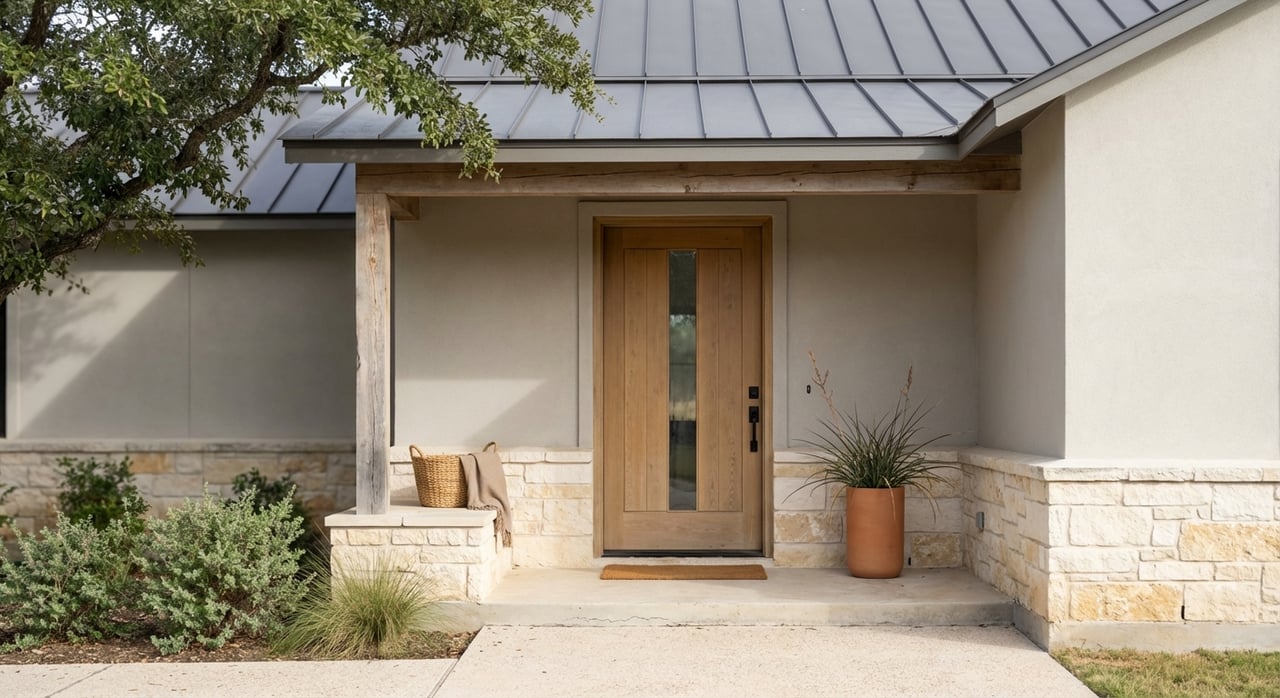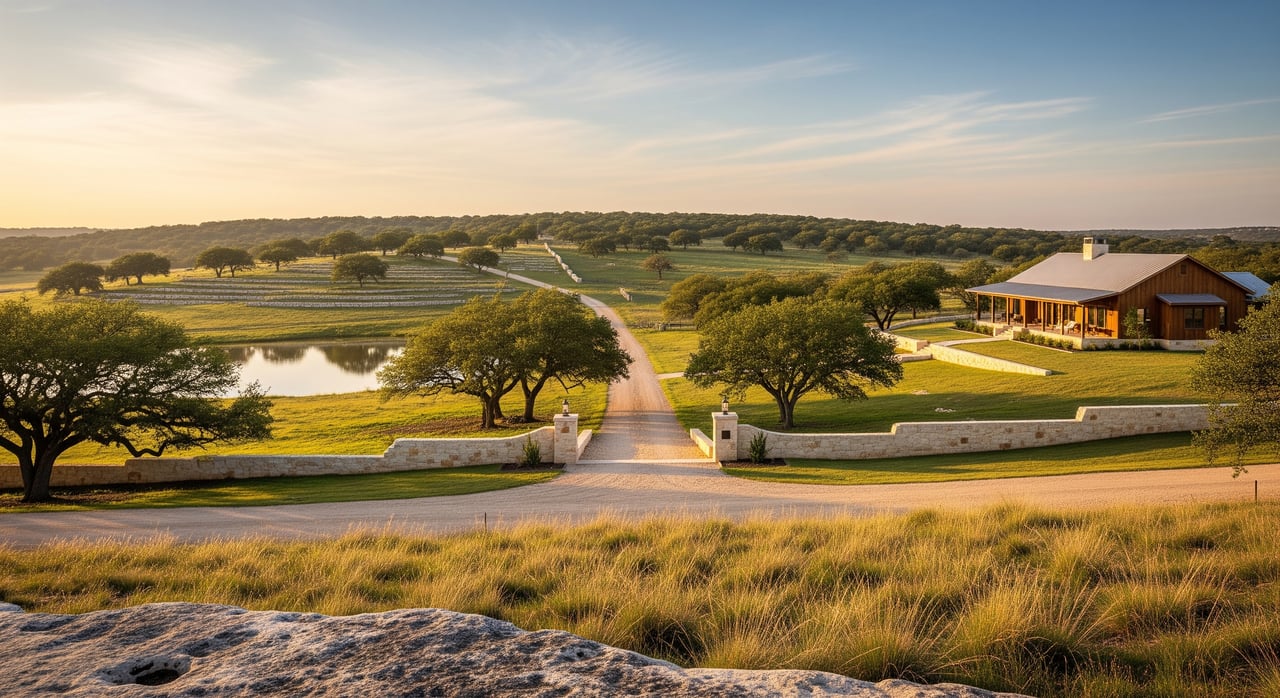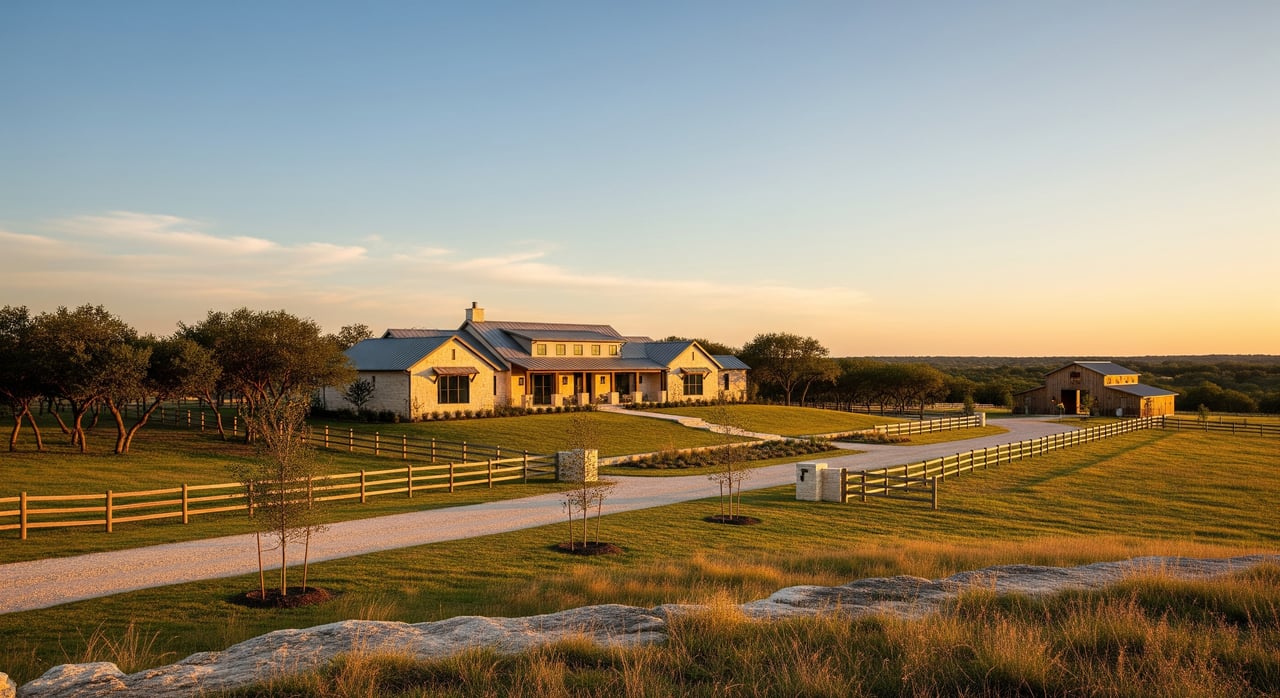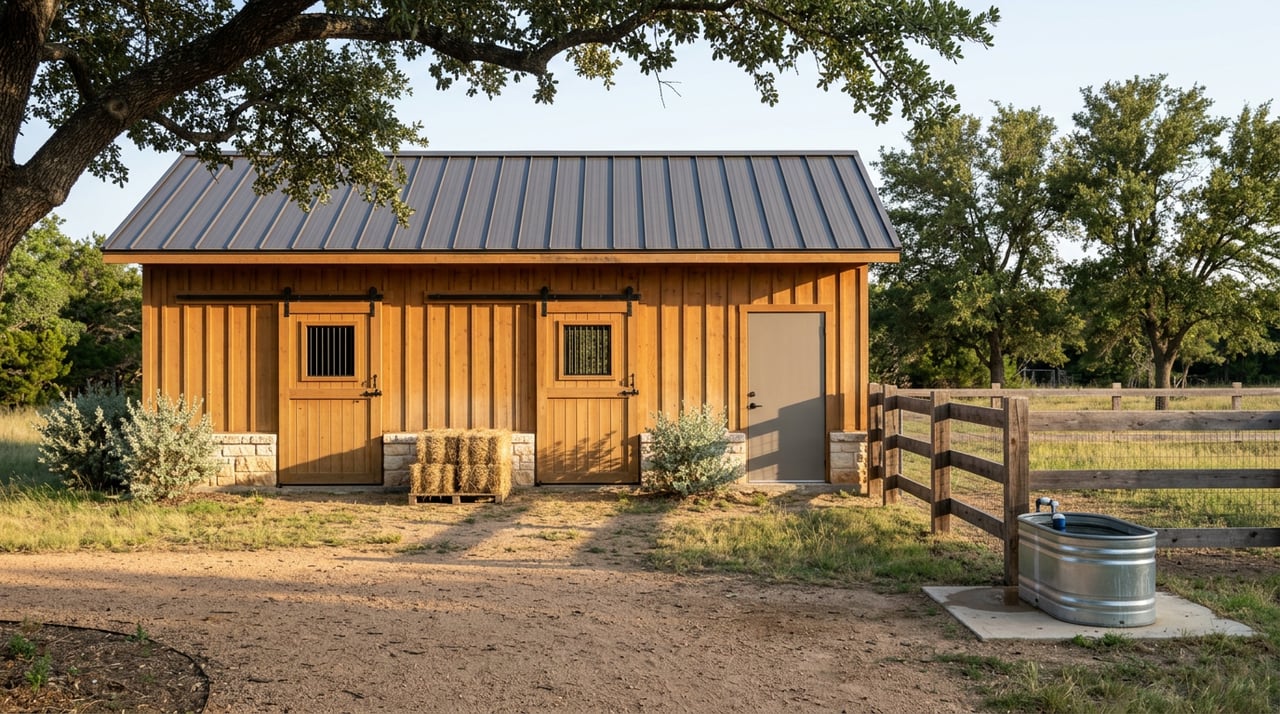
If you picture morning rides on your own land without giving up an easy San Antonio commute, the La Vernia area makes a strong case. You get room to breathe, space for horses, and a community that understands country living. In this guide, you’ll learn what “acreage” looks like near La Vernia, how to evaluate horse-ready features, and the key due-diligence steps that protect your purchase. Let’s dive in.
La Vernia acreage at a glance
La Vernia sits in Wilson County just southeast of San Antonio. You’ll see everything from in-town lots to ranchettes outside the city limits. Aggregated land data shows an average listed parcel size around 8.1 acres in the La Vernia area, which lines up with what you’ll notice on the market: a lot of 2–10 acre properties and periodic 10–30+ acre tracts for those who want more room. You can scan current land snapshots to get a feel for sizes and features using sources like La Vernia area land listings.
If you are moving from a subdivision, expect a few differences. You’ll likely handle more outdoor maintenance. Utilities can vary by property, and tax treatment for land can differ from a home on a small lot. Confirm whether a property is inside city limits or outside in the county because that can affect permitting, services, and timelines.
Property types and features
Ranchettes vs. small ranches
Most “horse-friendly” parcels near La Vernia fall in the 2–10 acre range. These often have a modest barn, paddocks, and cross-fencing. They’re well suited for 1–3 horses with managed pasture and supplemental hay. Larger holdings, often 10–30+ acres, can support more rotational grazing, a separate hay area, and larger barns or arenas.
Barns, stalls, and arenas
For comfort and safety, a common baseline is 12×12 ft stalls for most riding horses. Wider aisles, good ventilation, and drainage around the barn matter as much as square footage. For training at home, many private outdoor arenas run in the ballpark of 70×120 ft. The engineered base and drainage are critical. Poor drainage leads to long-term maintenance headaches, so plan to evaluate grading and base layers during inspections.
Fencing basics and safety
Horses need visible, smooth fencing that discourages leaning and jumping. Many owners use pipe or board rail paired with no-climb mesh in high-pressure areas. Perimeter pasture fences are commonly about 5 ft high for horses. Barbed wire is not recommended for horses. For an overview of safe designs and heights, review fence guidance for horses.
Costs vary widely by material, terrain, and contractor. National consumer guides show rough order-of-magnitude ranges, such as wood post-and-board or rail starting around $3–$12 per foot, with high-tensile or woven wire often lower and pipe or vinyl higher. Use these only for initial planning, then get local bids for real numbers. See example ranges in this farm fencing cost overview.
Pasture and stocking rate
A practical rule-of-thumb is about 2 acres per 1,000‑lb horse under good management. Local soils, rainfall, and pasture care can shift that from 1–5 acres per horse. Drought can reduce carrying capacity, which means you may need to rotate more often or supplement with hay. For pasture management tips, see this university extension guide on established horse pastures.
Water and utilities
Outside town, many properties rely on private wells. Some corridors have Special Utility Districts for water service, while others do not. Always check if the parcel is inside a utility service area or if you will need a private well and on-site septic. Also confirm electric provider options, propane setup, and the type of internet available at the address. In some rural spots, fixed wireless or satellite may be your best option.
Due diligence checklist for acreage buyers
Acreage purchases include a few steps you may not have seen in neighborhood homes. Use this checklist to stay ahead.
Private wells and groundwater rules. Wilson County is covered by the Evergreen Underground Water Conservation District. Many domestic wells are exempt by volume yet must be registered and transferred on sale. Ask for well logs, recent pump test results, and the district’s Notice to Purchaser form. Learn more about exempt wells and registration with the Evergreen UWCD.
Septic systems (OSSF). If the property uses on-site sewage, confirm permits, design, and maintenance records. For new systems or repairs, you will need the correct process through a TCEQ-licensed site evaluator or authorized local agent. Start here for OSSF permitting basics with the Texas Commission on Environmental Quality.
Floodplain and drainage. Parcels near Cibolo Creek or other waterways may be in a FEMA flood zone. Pull the FEMA map for the exact property, ask the seller about prior flood events, and consider elevation certificates and insurance where required. The City’s permitting page directs you to the appropriate tools to check maps and apply for permits. Review local permitting and FEMA map links on the City of La Vernia permitting page.
Taxes and agricultural appraisal. Texas allows agricultural and wildlife productivity valuations that can lower taxes when qualifying use and intensity standards are met. If use changes, you may face rollback taxes. Learn the basics of 1‑d and 1‑d‑1 appraisal in the Texas Comptroller’s guidance here: agricultural appraisal and rollback overview. For local questions and property records, use the Wilson County Appraisal District.
Title, survey, easements, and minerals. Have a current survey and read the title commitment closely. Recorded easements, deed restrictions, and severed mineral rights are common in Texas and can affect use. Add “mineral estate status,” “recorded easements,” and “road maintenance agreements” as line items in your contract and option-period review.
Utilities and broadband. Verify electric provider, propane tank ownership or lease, and internet options at the address before you close. Plan for alternatives like fixed wireless or satellite if fiber or cable are not present.
Quick buyer checklist to save and share
- Well: pump test results, water quality test, well log, Evergreen UWCD exempt-well registration and transfer paperwork. Evergreen UWCD
- Septic: permit file, maintenance contract if aerobic, and inspection by a TCEQ-licensed professional. TCEQ OSSF
- Flood: FEMA map printout, seller disclosures, and elevation certificate if applicable. La Vernia permitting
- Title & survey: recorded easements, CC&Rs, road agreements, and mineral reservations or leases.
- Taxes: current bill and whether ag or wildlife appraisal applies. Wilson County Appraisal District and Texas Comptroller
Financing and insurance basics
You can finance many small-ranch and horse properties with conventional loans, USDA Rural Development loans if eligible, or a portfolio loan for unique properties. Lenders may treat homes with larger acreage or income-producing features differently, so check early with a lender that regularly underwrites rural and acreage properties. Ask how barns, arenas, leased minerals, or significant ag use might affect the loan.
Insurance needs can be different from a standard subdivision home. You may need endorsements for outbuildings, farm and ranch coverage, equine liability, or separate flood insurance if a FEMA map requires it. Get quotes based on the exact structures, fences, and animals on the property.
Three real-world paths to acreage living
Use these scenarios to think through layout, fencing, and features. Treat them as planning guides, then confirm details with local contractors.
3-acre hobby horse parcel
- Setup: 2–3 horses, a small 3‑stall center-aisle barn with a tack room, wash rack, and a few paddocks near the barn. A simple 70×120 riding area with good base and drainage.
- Fencing: Perimeter fence around roughly 1,600–1,800 feet of boundary for many 3‑acre shapes. High-visibility rail or pipe where horses congregate, and no-climb mesh in small paddocks.
- Pasture: Managed turnout with rotational grazing. Plan to supplement with hay during dry months. Use the 2 acres per 1,000‑lb horse guideline and adjust for rainfall.
- Utilities: Verify the well’s gallons per minute and septic capacity for the bedroom count. Confirm internet options early.
10-acre small ranch
- Setup: Room for separate turnout pastures, a 4–6 stall barn with storage and hay space, and a more formal arena with basic perimeter lighting.
- Fencing: About 2,600–2,800 feet of perimeter fence plus interior cross-fence lines. Choose materials that balance horse safety with long-term maintenance.
- Pasture: Rotational grazing becomes practical, along with a small hayfield or dedicated rest pasture.
- Utilities: If a private well serves the home and livestock, review EUWCD registration and keep well and septic components on regular service schedules.
25-acre working ranchette
- Setup: Multiple pastures, larger barn with hay and equipment storage, round pen and full-size arena, and dedicated driveways for trailers.
- Fencing: Around 4,200–4,400 feet of perimeter fence plus cross-fencing. Consider stronger materials for working areas and gates wide enough for equipment.
- Pasture: With good management and weather, rotational grazing efficiency improves. Keep drought contingencies in mind.
- Utilities: Add backup power for the well pump, plan access routes for heavy equipment, and verify road maintenance agreements on private easements.
Tip for all three: Use national fence cost ranges only for planning, like $3–$12 per foot for many wood rail options, then get local bids for actual pricing. See reference ranges in this farm fencing cost overview.
Why a specialist matters
Acreage deals involve moving parts you rarely see in subdivision transactions. You will coordinate Evergreen UWCD well registration, TCEQ septic steps, flood mapping, ag appraisal questions, easements, and sometimes mineral rights research. A local, acreage-savvy agent can connect you with the right well contractor, OSSF evaluator, fencing and arena pros, and a title team that understands rural land.
If you are considering acreage or horse property near La Vernia, let’s talk through your goals, timelines, and budget so you can move forward with confidence. Reach out to Kelly Wiggins to start a plan tailored to your next move.
FAQs
How many acres per horse near La Vernia?
- A common rule-of-thumb is about 2 acres per 1,000‑lb horse under good management, adjusted for weather, soil, and pasture health.
Who registers private wells in Wilson County?
- The Evergreen Underground Water Conservation District oversees well registration and transfer for exempt domestic wells at closing.
How do septic permits work outside city limits?
- On-site systems need proper permits and inspections through TCEQ or an authorized local agent, plus maintenance records for aerobic systems.
Do I need to check flood maps if a property is near Cibolo Creek?
- Yes. Always run the FEMA map for the exact parcel, ask about past flooding, and budget for flood insurance if a Special Flood Hazard Area applies.
How does an agricultural appraisal affect my taxes?
- Qualifying ag or wildlife use can lower taxes through productivity valuation, but a change in use may trigger rollback taxes. Confirm status before closing.