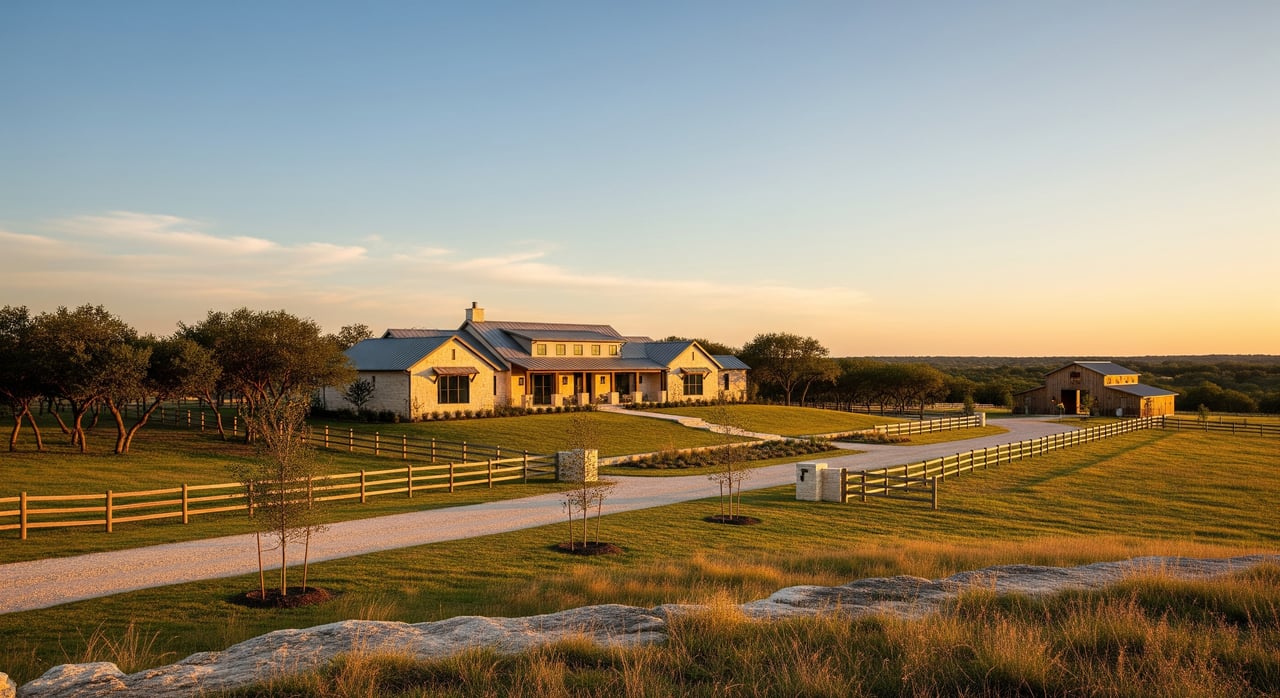
Dreaming of a few peaceful acres near La Vernia, Floresville, Stockdale, or Sutherland Springs? Buying land is not like buying a house. You are evaluating access, water, soils, utilities, taxes, and rights that can shape what you build and how you use it. In this guide, you will learn the local steps, who to call, and which documents to secure so you can make a confident offer in Wilson County. Let’s dive in.
How Wilson land differs
Land due diligence is deeper than a typical home purchase. You will focus on:
- Access and surveys: Confirm legal access and boundaries with a recent survey.
- Water and wastewater: Decide between a public water system or a private well, and confirm septic feasibility.
- Mineral rights: In Texas, minerals are often severed from the surface.
- Taxes and ag valuation: Agricultural or wildlife valuation can lower taxes, but rollback risk is real if use changes.
- Financing: Raw land lending often requires larger down payments and shorter terms.
Confirm title and access
Start with records. Search deeds, plats, covenants, and easements through the Wilson County Clerk to understand the legal description and any rules that run with the land. For rural acreage, a recent boundary survey by a licensed Texas surveyor is critical. Ask your title company if an ALTA/NSPS survey is needed.
Map every recorded easement on the survey. Utility, pipeline, and access easements can limit where you build and who can cross the property. Then confirm how you get to the land. Is it a county road, state highway, or a private road or easement over a neighbor? The Commissioners Court can help you confirm county maintenance for public roads. If it is private, ask for a written road maintenance agreement.
Mineral rights and energy
Mineral estates in Texas can be separate from the surface. Do not assume minerals convey. Ask the seller for a mineral affidavit and make mineral confirmation a contract contingency. Review title for any existing oil and gas leases. Use the Texas Railroad Commission map and records to check for nearby wells, leases, or permitted activity. If minerals are severed, understand potential surface use activity and how it could affect your plans.
Water and septic basics
First, decide how you will get water. Some Wilson County tracts are served by rural water systems, while others rely on private wells. Confirm public water availability and system status with the Texas Commission on Environmental Quality, and review local well depth, yield, and aquifer data using Texas Water Development Board well data. For a proposed well, ask for water quality tests and consider seasonal drought conditions.
For wastewater, most rural sites will need a septic system. TCEQ sets statewide On‑Site Sewage Facility rules, and the county issues permits. Use the NRCS Web Soil Survey to evaluate soils and drainage, then follow up with a site evaluation from a licensed installer.
Land use and rules
Much of Wilson County is unincorporated, so formal county zoning is limited. If a tract sits inside city limits for La Vernia, Floresville, or Stockdale, city rules and permits will apply. Also check for recorded deed restrictions, HOA documents, building setbacks, or livestock limits. Some properties fall within special districts that affect taxes or utilities. Verify taxing entities and district status with the Wilson County Appraisal District.
Taxes, ag valuation, and rollback
Before you write an offer, review the current tax amount, tax rate, and whether the land has an agricultural or wildlife valuation on the Wilson County Appraisal District site. If the use changes after purchase, you could face rollback taxes that recapture the tax savings from prior years. For rules and eligibility, review the Texas Comptroller’s property tax and ag valuation guidance and confirm specifics with WCAD.
Flood, soils, and natural hazards
Floodplain status affects insurance, site planning, and buildable area. Search the parcel on the FEMA Flood Map Service Center and note any flood zones. Then study soils, drainage, and erosion using the NRCS Web Soil Survey. In brushy parts of South‑Central Texas, consider wildfire risk and long‑term land management costs. If you see signs of past industrial or oil activity, consider an environmental review.
Utilities checklist
Rural tracts often rely on co‑op electricity, rural water supply, propane, and wireless or satellite internet. Before you offer, do the following:
- Identify electric service providers and confirm the nearest pole or transformer.
- Verify if a rural water system serves the road or if a private well is needed.
- Ask about telecom options and realistic speeds.
- If a private road serves the tract, confirm utility easements for future hookups.
Financing rural land
Land loans differ from home mortgages. Expect larger down payments, often 20 to 50 percent, higher rates, and shorter amortization. Local community banks and credit unions can be more flexible on acreage. Some sellers may offer financing. If you plan an ag or ranch use, explore USDA or Farm Service Agency programs to see if you qualify.
Wilson County due diligence steps
Use this practical, pre‑to‑post contract checklist to reduce risk and protect your budget.
Pre‑offer research
- Confirm legal description and county tax ID with WCAD.
- Search the Wilson County Clerk for deeds, plats, covenants, easements, and prior surveys.
- Check the FEMA Flood Map Service Center for flood zones.
- Review TWDB well and aquifer data and confirm public water system info with TCEQ.
- Run the NRCS Web Soil Survey for soils and septic suitability.
- Verify current taxes, districts, and any ag or wildlife valuation on WCAD.
- Search the Texas Railroad Commission for oil and gas wells or leases on or near the tract.
- Confirm access type and who maintains the road.
- Review local comparable acreage sales and pricing trends.
Contract contingencies to include
- Title commitment with time to review exceptions.
- Survey contingency, with ability to order a new boundary or ALTA survey.
- Mineral rights confirmation and resolution of any leases.
- Well test or water quality and yield contingency if relying on a well.
- Septic site evaluation and permit feasibility.
- Environmental inspection if industrial or oil activity is suspected.
- Right to inspect access, fences, and encroachments.
Before closing
- Order title insurance and review final exceptions.
- Commission a new survey if needed to clear boundary issues.
- Obtain a mineral title opinion or, at minimum, a seller mineral affidavit.
- Coordinate permits with the county or city for building, well, and septic.
- If you plan to pursue ag valuation after closing, confirm deadlines and use requirements with WCAD and review the Texas Comptroller’s guidance to avoid rollback.
Who to call first
- County records: Wilson County Clerk for deeds, plats, easements, and covenants.
- Taxes and valuation: Wilson County Appraisal District for values, districts, and ag status.
- Road maintenance: County Judge or Commissioners for county‑maintained road status.
- Water and septic: TCEQ for public water systems and septic rules; TWDB for well and aquifer data.
- Flood and soils: FEMA Flood Map Service Center and NRCS Web Soil Survey.
- Minerals and energy: Texas Railroad Commission for well and lease records.
- Ag guidance: Texas A&M AgriLife Extension for local practices, wildlife valuation criteria, and land management.
Partner with a local guide
A strong land offer in Wilson County pairs good records with smart contingencies and the right local team. If you want help lining up surveyors, title, well and septic pros, and land‑savvy lenders, let’s talk. I bring hands‑on advocacy and a clear process to help you buy with confidence. Reach out to Kelly Wiggins to schedule a consultation.
FAQs
Who maintains a private or county road in Wilson County?
- Confirm county maintenance through the Commissioners Court and require a written maintenance agreement if access is by private road or easement.
How do I know if mineral rights convey with a Wilson County tract?
- Make mineral rights confirmation a contract contingency, review title for reservations, and check nearby activity on the Texas Railroad Commission site.
Can I add a well and septic on rural land near La Vernia?
- Verify well feasibility with TWDB data and water tests, and confirm septic rules and permitting with TCEQ and a licensed installer.
Will my new acreage qualify for agricultural valuation?
- Check current status with WCAD and review eligibility and rollback rules using the Texas Comptroller’s guidance.
Is this parcel in a FEMA floodplain?
- Search the address on the FEMA Flood Map Service Center and factor any flood zones into insurance, building plans, and site layout.
What down payment do Wilson County land lenders require?
- Many raw land loans require 20 to 50 percent down with higher rates and shorter terms than home mortgages; ask local banks and credit unions for options.
How do I confirm electric and water providers for a tract?
- Call the county or nearby municipalities to identify rural electric co‑ops and water supply corporations, then verify service availability and hookup costs for your specific parcel.