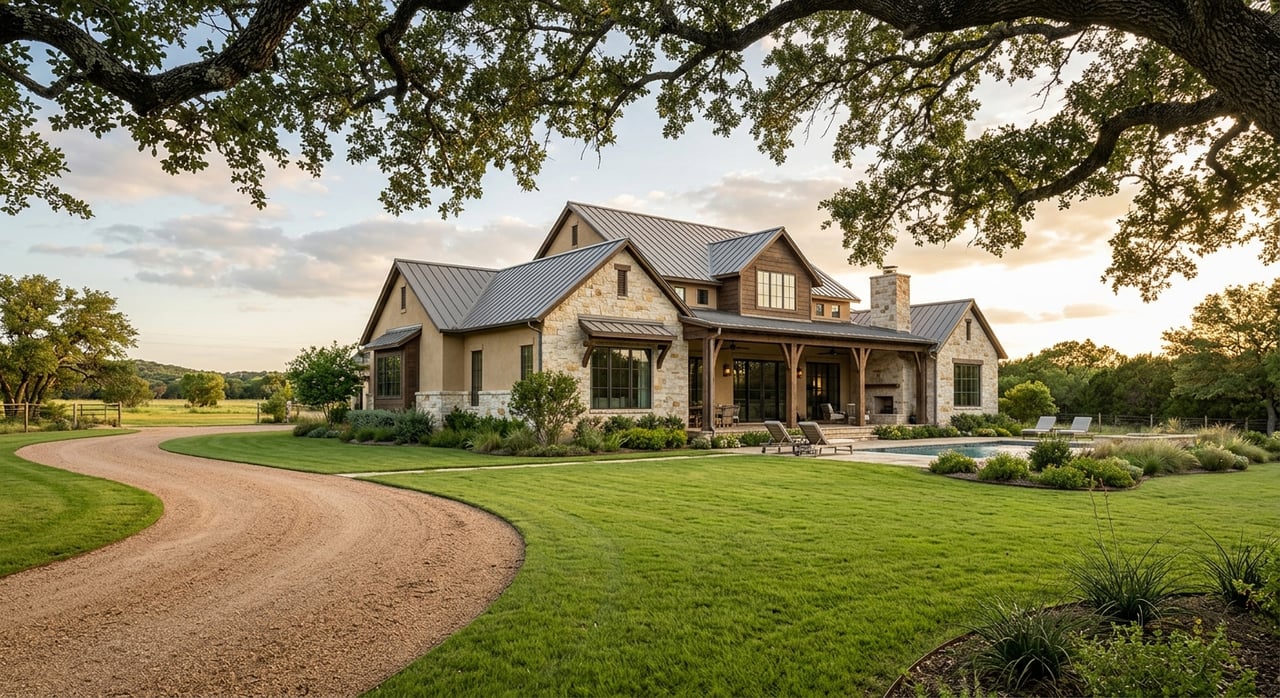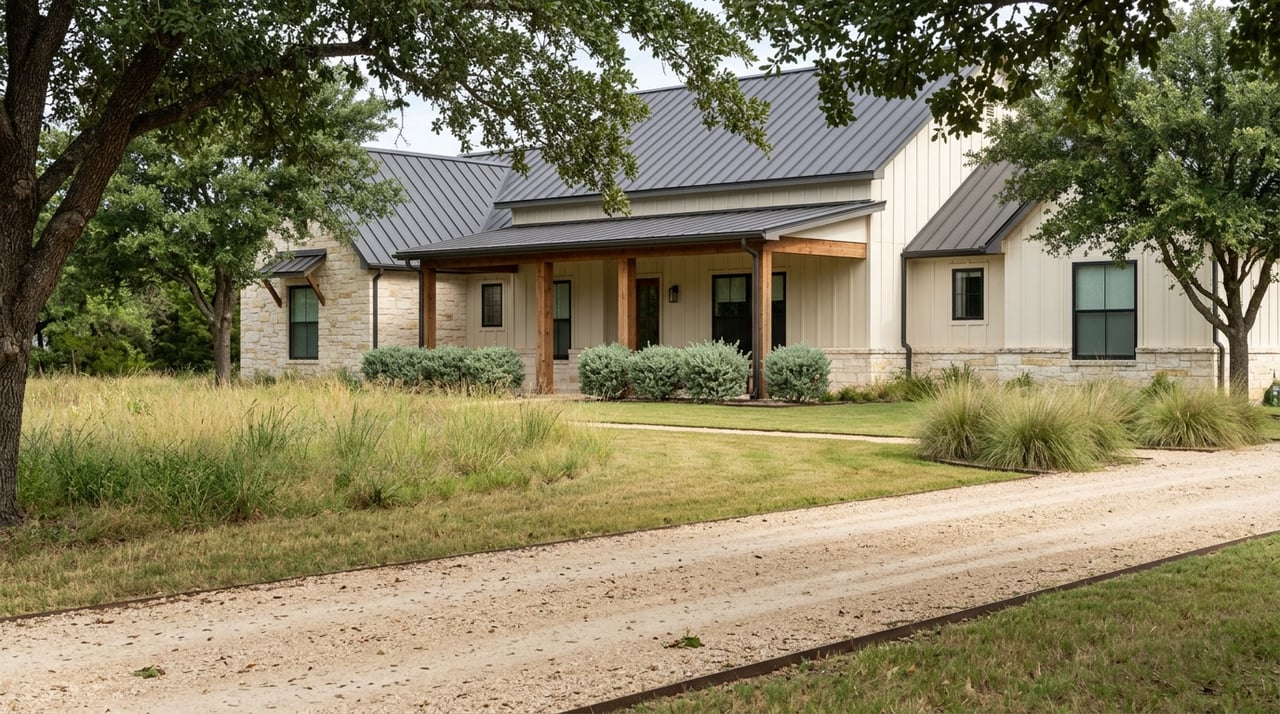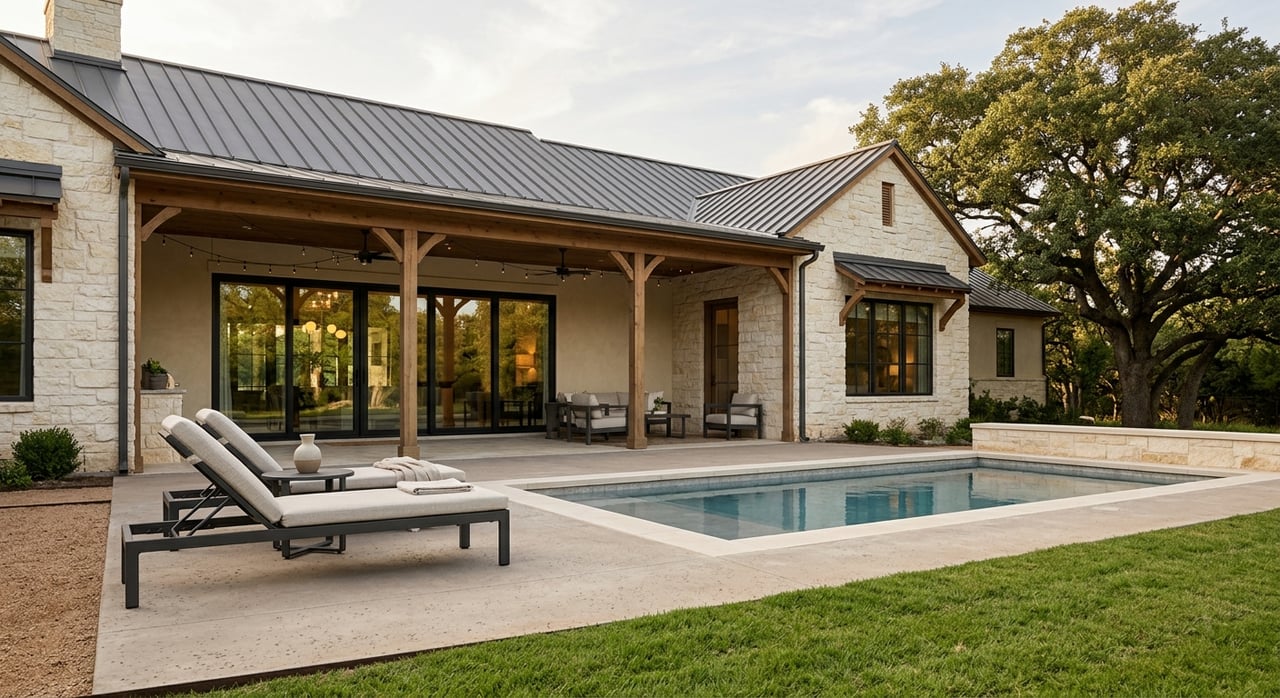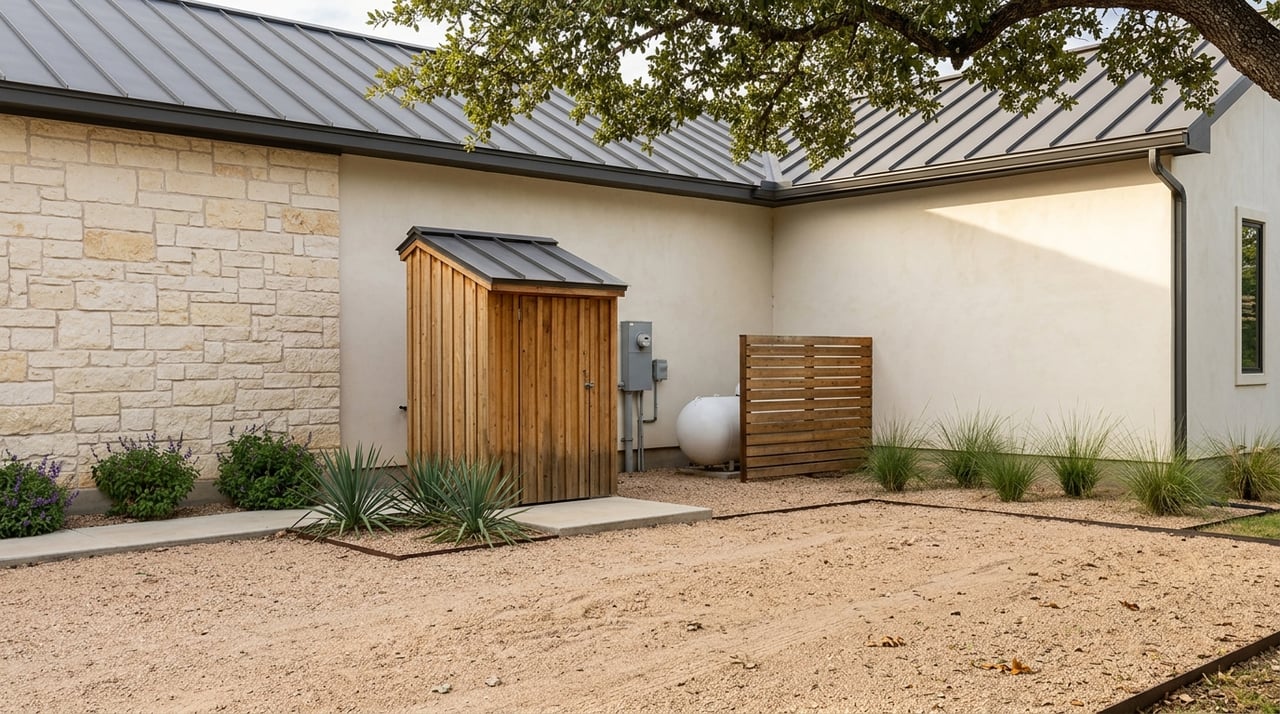
Dreaming about a place where you can spread out, keep a few animals, or build a home with room to breathe? Around Stockdale, acreage can offer that kind of lifestyle, but rural land comes with a different checklist than an in-town home. If you are exploring ranch or acreage options in Wilson County, understanding utilities, access, permits, and tax treatment can help you avoid costly surprises. Let’s dive in.
Why Stockdale Acreage Feels Different
Stockdale sits in central Wilson County, and the area behaves more like a rural land market than a typical subdivision market. Inside the city limits, the City of Stockdale lists water, sewer, trash, and gas-related utility services, along with local electric providers.
Outside town, the setup can change from one tract to the next. That means you should verify water access, wastewater plans, electric service, and roadway access for each property instead of assuming every parcel is ready for immediate use.
Wilson County also requires development, driveway, and septic permits before construction starts. So if you are buying land with plans to build, it is important to treat build readiness as something to confirm, not something to assume.
Common Acreage Types Near Stockdale
The term "ranch property" can mean a lot of things in the Stockdale area. Some tracts are better suited for a homesite and garden, while others function more like pasture or mixed-use recreational land.
Hobby Farms and Ranchettes
These properties are often smaller acreage tracts with space for a home, garden, and limited livestock use. They can be a great fit if you want country living without taking on the full demands of a larger operation.
In Texas, the label used in a listing matters less than how the land is actually used. The Texas Comptroller states that agricultural appraisal applies when land is currently devoted principally to agricultural use, and Wilson CAD provides forms related to agricultural and wildlife valuation.
Cattle and Pasture Tracts
Open grazing land usually gets evaluated based on practical basics. You will want to look closely at usable pasture, available water, and the condition of fencing.
The Texas Comptroller notes that fencing and irrigation wells are among the expenses considered when calculating agricultural productivity value. That is a helpful reminder that these improvements can matter both for day-to-day use and for how land is evaluated.
Horse-Friendly Properties
Horse properties are often a version of a hobby farm or pasture tract with features that support equestrian use. Buyers usually focus on secure fencing, dependable water, and enough usable ground for turnout and handling.
Even if a property is marketed for horses, the same core rural questions still apply. You will want to confirm utility access, septic feasibility, and the practical usability of the land before moving forward.
Mixed-Use and Wildlife Tracts
Some acreage around Stockdale offers a blend of homesite potential, pasture, brush, and recreation. These properties can appeal to buyers who want flexibility in how they use the land.
For tax treatment, wildlife management has specific rules. Texas Parks and Wildlife states that wildlife management can qualify for special appraisal only when the land is already open-space appraised, wildlife management is the primary use, and the owner has a wildlife management plan with required practices.
What to Check Before You Make an Offer
A beautiful piece of land can still come with hidden issues. Before you commit to a Stockdale-area acreage property, it helps to slow down and confirm the details that affect how you can actually use it.
Access and Frontage
Access is one of the first things to verify on rural property. You should confirm how the parcel is reached, whether the access is direct or easement-based, and whether the legal documents match what is shown in marketing materials.
Wilson County’s permit checklist asks for a recorded deed, site plan, legal description, and 911 address verification. That makes clear documentation especially important if you plan to build or improve the property.
Utilities and Water Source
Outside the city system, utility service can vary widely. Some tracts may have access to municipal or public water, while others may depend on a private well.
Wilson County’s septic materials ask for the source of water as part of the process. So before you buy, it is smart to confirm what water source is available and what it will take to make the property functional for your plans.
Septic Feasibility
On rural land, septic is not a minor detail. The Texas Commission on Environmental Quality says onsite sewage facilities must be designed from a site evaluation that accounts for local conditions and generally require a permit before construction, installation, repair, or alteration.
Wilson County also notes additional requirements for some systems. For example, aerobic systems require an affidavit and maintenance contract, which is important to know early in your due diligence.
Fencing and Land Condition
Fencing can affect both usability and cost. If you are looking at land for cattle, horses, or basic property management, inspect perimeter fencing and interior cross-fencing carefully.
Land condition matters too. Walk the tract if possible and pay attention to low areas, brush coverage, grazing quality, and whether the usable portion of the property matches your goals.
Floodplain and Drainage
Floodplain review should happen early, especially if the land includes a creek, low spot, or road crossing. FEMA flood maps show how a property relates to high-risk flood areas, and Wilson County is posting preliminary revised flood map panels and a floodplain court order.
Even if a tract looks appealing at first glance, drainage patterns can affect where you build, how you access the land, and what extra improvements may be needed.
Tax and Appraisal Issues to Understand
Acreage buyers often hear that rural land comes with lower taxes. Sometimes that is true, but it depends on how the property qualifies and how the land is actually being used.
Agricultural and Open-Space Appraisal
In Texas, qualifying land may be appraised based on productivity value rather than market value. That can make a major difference in annual property taxes.
But qualification is not automatic. If land changes to a non-agricultural use, the owner may owe rollback tax for the previous three years. Wilson CAD handles appraisals, forms, and protests, so it is the local office buyers should review for property-specific appraisal questions.
Wildlife Management Valuation
Wildlife management is not a separate exemption. According to Texas Parks and Wildlife, it is a way for qualifying open-space land to continue receiving productivity-based appraisal.
To qualify, landowners generally need a wildlife management plan and at least three approved management practices. If wildlife use is part of your long-term vision, it is worth confirming whether the tract already qualifies and what would be required to maintain that status.
Why a CAD Record Is Only a Starting Point
When you are shopping for land, appraisal district records can be useful for initial research. But they should not be treated as final proof of acreage, boundaries, or legal description.
Wilson CAD states that legal descriptions and acreage amounts in its property search are for appraisal-district use only and should be verified before being used for legal purposes. In practical terms, that means a current survey, title work, and parcel-level verification matter even more on rural property than they do on a typical neighborhood lot.
How to Shop Smarter for Stockdale Land
If you are comparing properties around Stockdale, a simple checklist can keep your search focused. Rural land is often more about fit and function than just price per acre.
Here are a few smart questions to ask as you narrow your options:
- What is the confirmed legal access to the property?
- Is water available through city service, public supply, or a private well?
- Has septic feasibility been evaluated for the intended homesite?
- Are permits likely to be needed right away for driveway, development, or wastewater work?
- What is the current land use, and does it appear to support agricultural or wildlife valuation?
- Are fencing, drainage, and topography aligned with your intended use?
- Is the acreage supported by a current survey and title review?
The more clearly you answer these questions before closing, the more confident you can feel about your purchase.
Whether you want a ranchette, horse property, pasture tract, or flexible recreational land, the right acreage around Stockdale starts with good due diligence and local guidance. If you want help sorting through rural property options in Wilson County, Kelly Wiggins can help you evaluate the details that matter and move forward with confidence.
FAQs
What should you verify before buying acreage near Stockdale?
- You should verify legal access, water source, septic feasibility, permit requirements, floodplain status, fencing, and the accuracy of the legal description and acreage.
Does acreage around Stockdale automatically qualify for lower property taxes?
- No. Lower taxes usually depend on whether the land qualifies for agricultural, open-space, or wildlife management appraisal rather than being taxed at market value.
Can you rely on Wilson CAD records for exact acreage in Wilson County?
- No. Wilson CAD says its acreage and legal descriptions are for appraisal use only and should be verified before being used for legal purposes.
Do rural properties near Stockdale need septic review early in the process?
- Yes. Septic feasibility is an early due-diligence issue because onsite sewage systems depend on site conditions and generally require permitting.
What makes a horse or cattle property functional around Stockdale?
- Buyers typically look for usable pasture, dependable water, and secure fencing, along with practical access and utility considerations.